Interview with Michele Zousmer, Winner of DSPF 2026 Series category
Tell us about yourself
My role as a humanitarian photographer is to challenge perceptions, evoke empathy, and inspire action. Each image is a testament to the human spirit—an invitation to witness, reflect, and engage. Whether documenting the struggles of the marginalized or celebrating their triumphs, my work bridges lives and perspectives, fostering a deeper connection between us all. My work has been recognized worldwide, and I am the recipient of two Humanitarian Awards, which I am very proud of. My projects include advocating for women and girls in the Irish Traveller community, in the coffee fields of Costa Rica, and the elderly women living alone in the Balkans (an ongoing project). I am the author of MIS[S]UNDERSTOOD, a book about the women in the Irish Traveller community, highlighting their vital role in family and cultural life.
What’s the story behind the winning series?
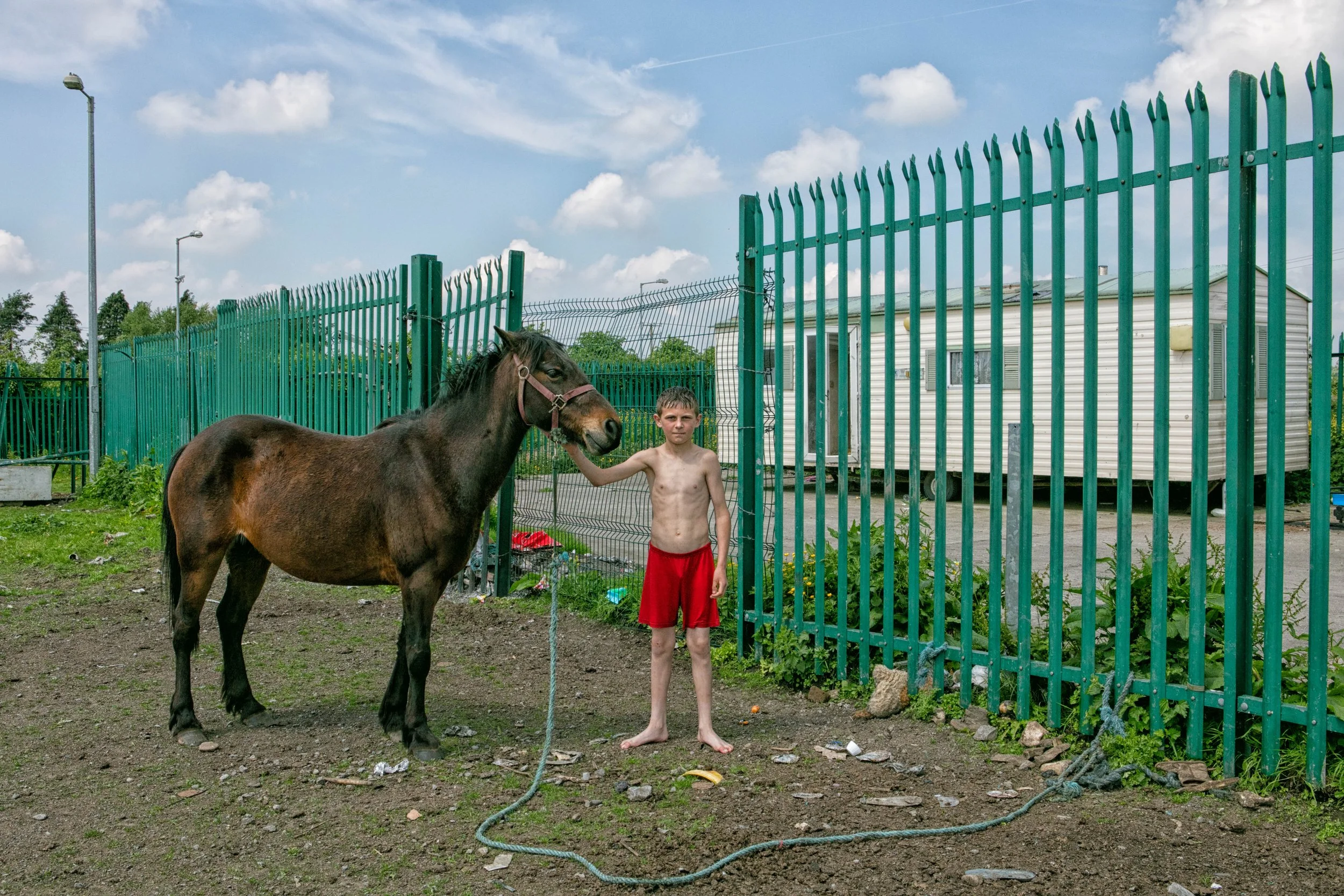
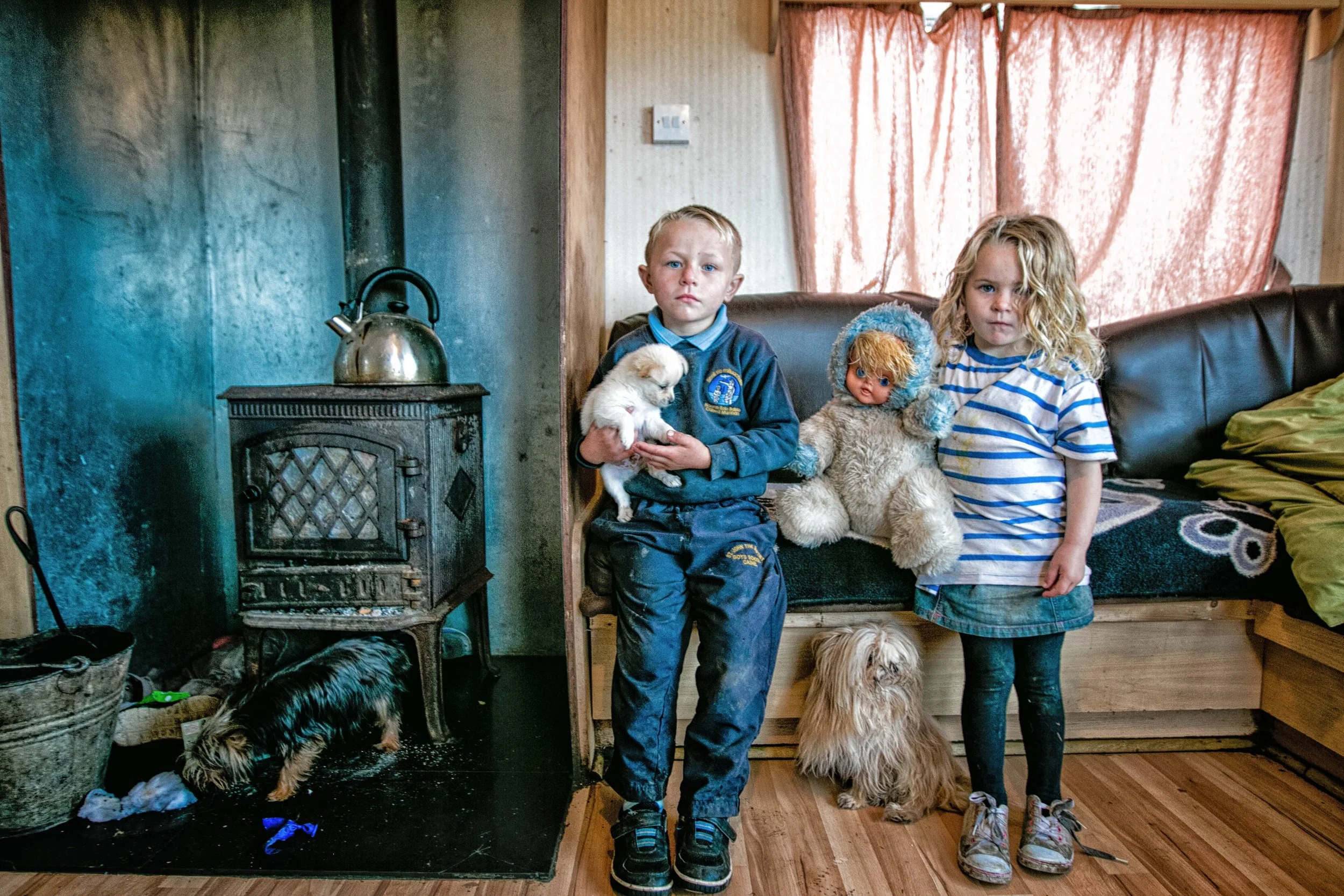
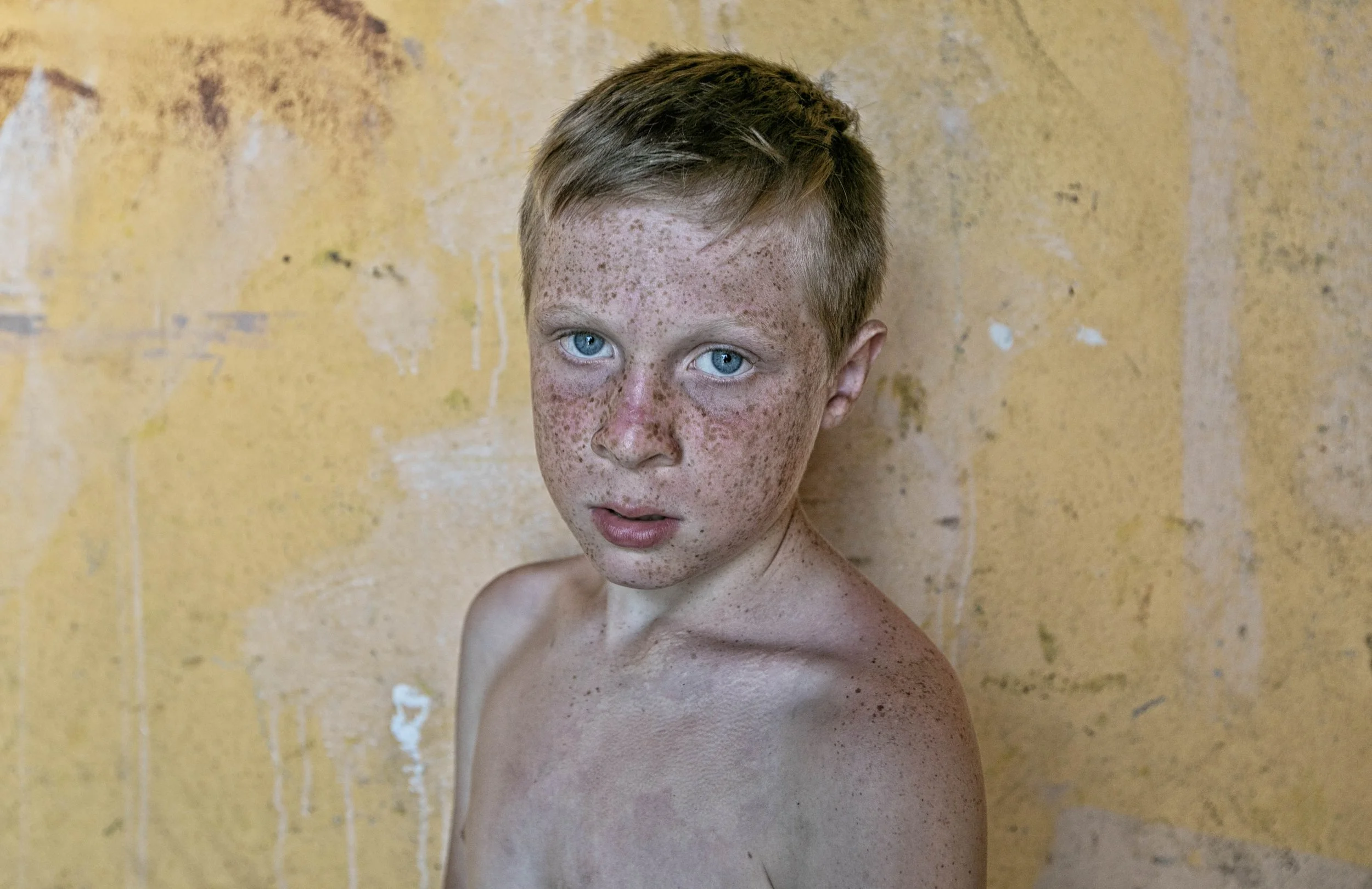
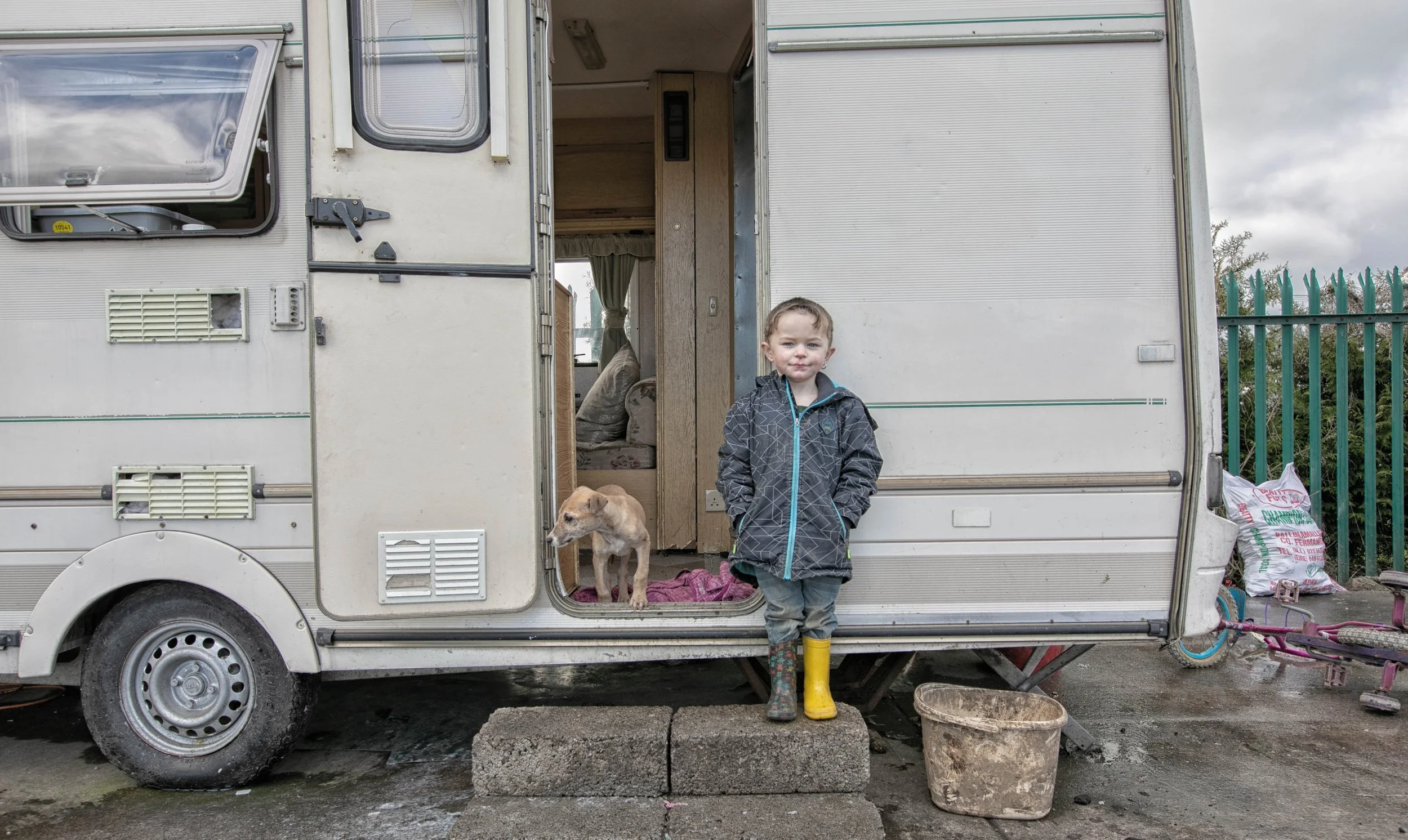
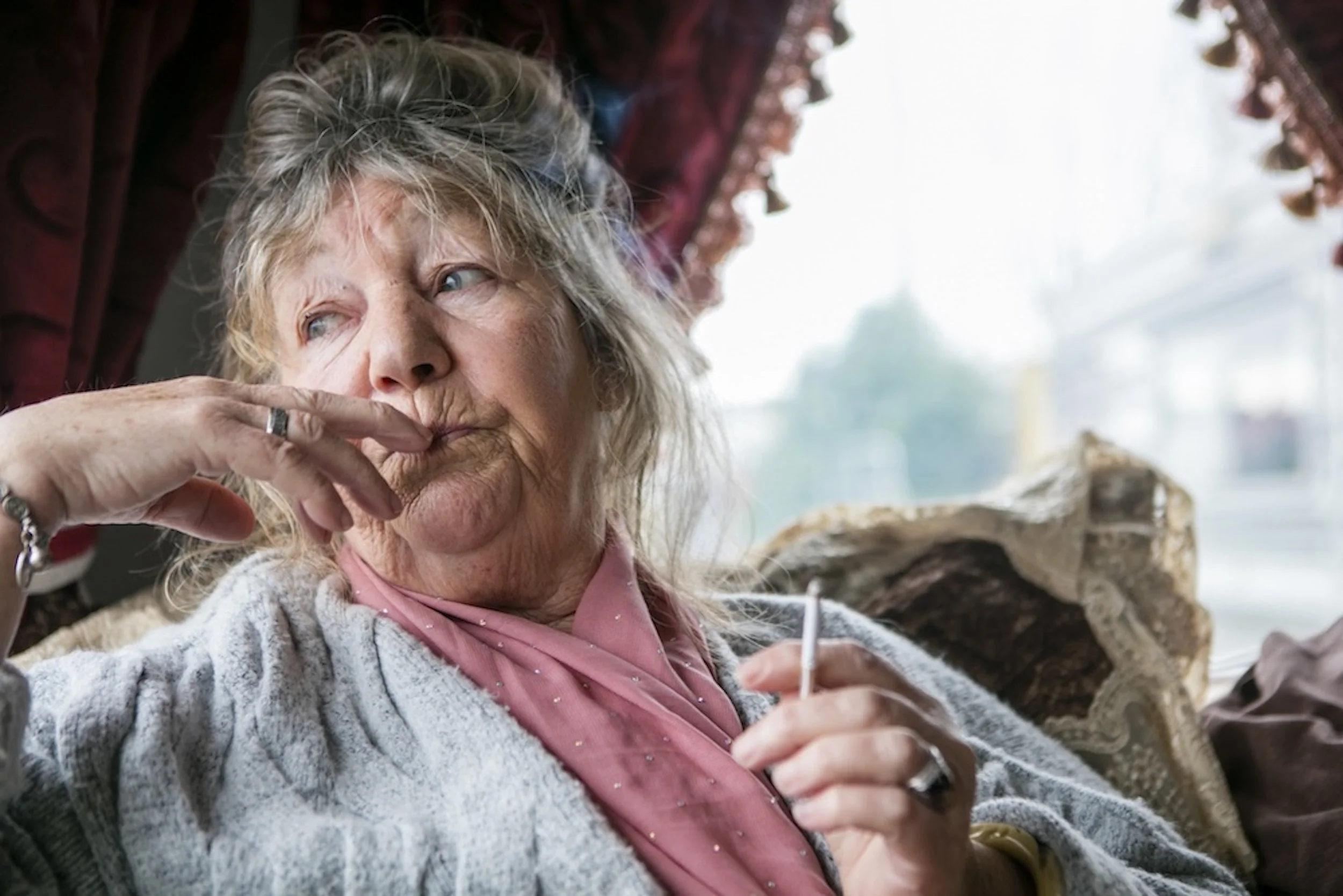
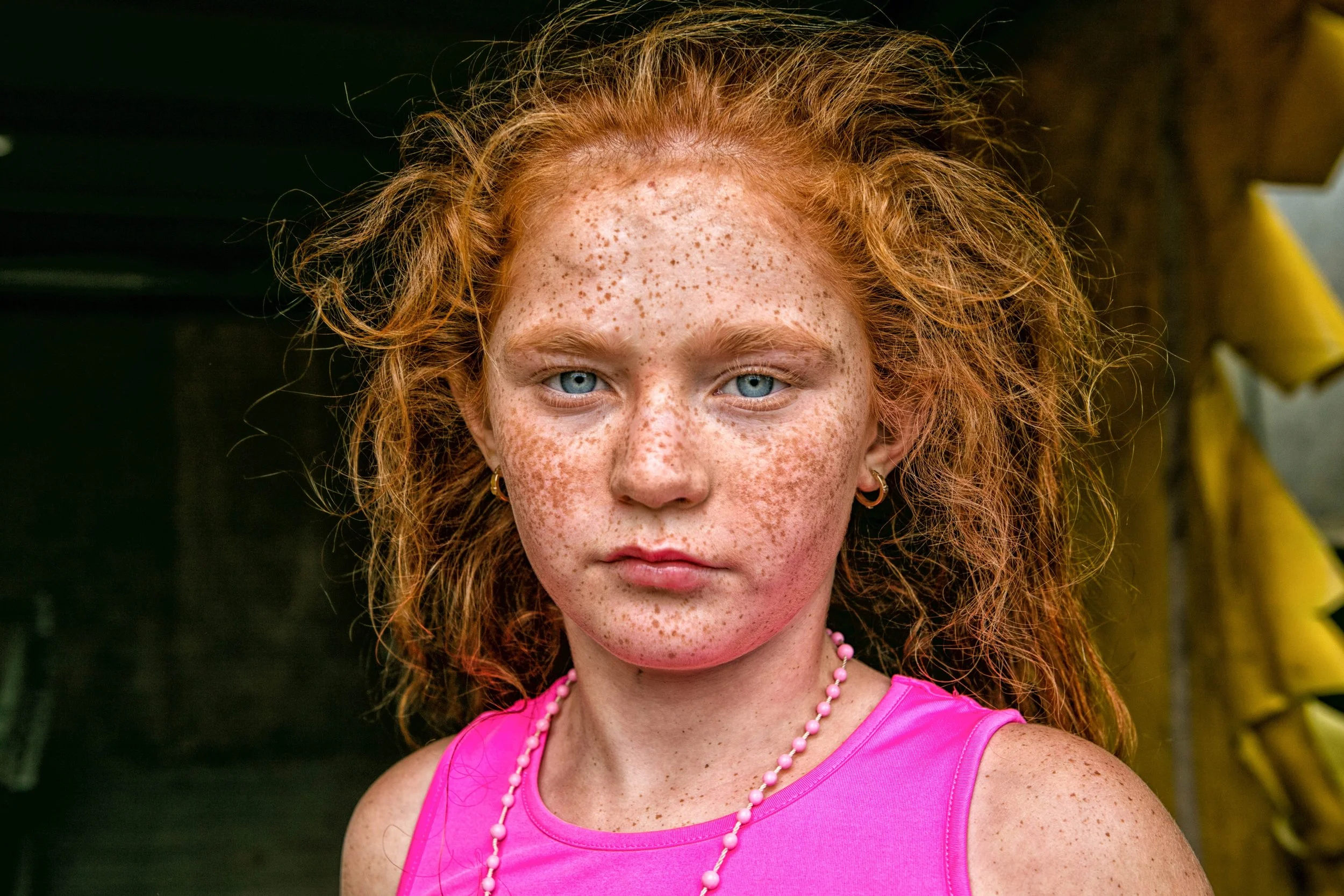
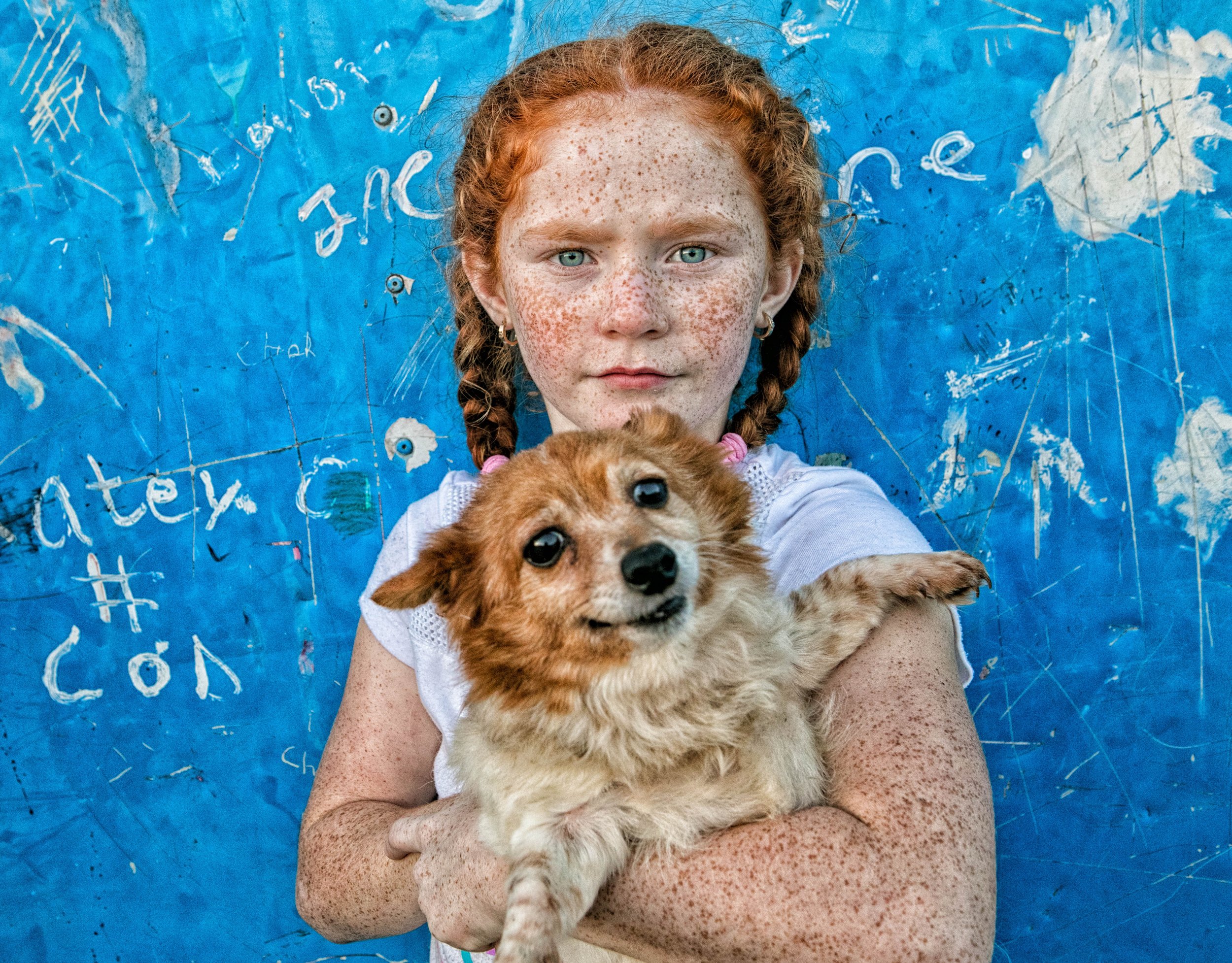
For ostracized populations across the globe and throughout history, stereotyping has proven damaging, sometimes deadly. In my ongoing effort to dispel prejudice, I have dedicated my career to investigating marginalized groups and the ways they cope during challenging times. In MIS[S]UNDERSTOOD, I uproot the entrenched biases against Irish Traveller girls and women. They are not just a culture but an art form that spoke to my curiosity. Exploited socially and politically, my project expresses dignity and humanity. I have been visiting the Irish Traveller community in Ireland for nine years, making friends and learning about this unique culture.
This is in their honor, with the utmost respect. The Irish Travellers are a remarkable group of people who possess strong traditions and value the love of family, the bonds of community, and a deep love of God. They marry young and have many children. Education was never valued because of their nomadic lifestyle. It is a patriarchal society, and the women spend their days taking care of their many children and the home. Unemployment, domestic violence, and suicides are prevalent. Many women live in poverty and face hardships raising families in caravans without running water, electricity, or proper bathrooms. Young married women now prefer to stay in one place so their children can stay in school. They are also choosing to have smaller families due to the high cost of living. One of the biggest heartbreaks is seeing their sons and brothers moving to another country to work. Family is everything to this community. Our new world is testing its valued traditions. Through many interviews, the voices of Irish Traveller women, combined with my images, bring humanity and empathy to this marginalized group.
Aims and Goals for the future?
It is so easy to look at a person or a group of people who are different than us and judge them. I strive to build bridges and break down walls. I continue to explore creative storytelling across multiple mediums. Passionate about representation in STEAM (Science, Technology, Engineering, Art, and Math), I am working on a project that showcases African American professionals as role models for students of color. BRILLIANCE EXPOSED is especially timely in light of evolving diversity challenges in the current political landscape in the USA.
Another ongoing project since 2019 is WOMEN WHO REMAIN. I was introduced to the abandoned elderly in Romania and Bulgaria, and recently went to Bosnia and Serbia. Another life-changing experience.
'How does history settle into the lives of women who have no control over it? These women in post-communist countries, who have survived wars, often share the same visible realities shaped by different historical forces. In Romania and Bulgaria, many older women have lived through decades of communist rule. In Bosnia, women also lived under communism, but war broke out. They endured the breakup of Yugoslavia, war, siege, ethnic cleansing, and for many, the murder of husbands and sons. The communist project shaped them gradually. War shattered them overnight.
Yet today these elderly women live similarly: alone, on small pensions, in abandoned villages, children far away, caring for graves instead of grandchildren, living in homes that carry memories more than people. They are the keepers of histories that will be gone if we don't recognize them. Giving voice!'
![MIS[S]UNDERSTOOD 2 ZOUSMER,MICHELE.jpg](https://images.squarespace-cdn.com/content/v1/64e3bfe4d3e5fa0d1d4b641f/1784483800873-RODU3WLVP3SECUMK5XW6/MIS%5BS%5DUNDERSTOOD+2+ZOUSMER%2CMICHELE.jpg)
![MiS[S]UNDERSTOOD 3 ZOUSMER,MICHELE.jpg](https://images.squarespace-cdn.com/content/v1/64e3bfe4d3e5fa0d1d4b641f/1784483801975-YRRLR38NZJ6PDNHBTKTN/MiS%5BS%5DUNDERSTOOD+3+ZOUSMER%2CMICHELE.jpg)
![MIS[S]UNDERSTOOD 8 ZOUSMER,MICHELE.jpg](https://images.squarespace-cdn.com/content/v1/64e3bfe4d3e5fa0d1d4b641f/1784483838152-BHS5M3BKH02JBHB6OS6G/MIS%5BS%5DUNDERSTOOD+8+ZOUSMER%2CMICHELE.jpg)
![MIS[S]UNDERSTOOD 4 ZOUSMER,MICHELE.jpg](https://images.squarespace-cdn.com/content/v1/64e3bfe4d3e5fa0d1d4b641f/1784483802204-CKDR6EGU1DIH75RUIYBA/MIS%5BS%5DUNDERSTOOD+4+ZOUSMER%2CMICHELE.jpg)
![MIS[S]UNDERSTOOD 9 ZOUSMER,MICHELE.jpg](https://images.squarespace-cdn.com/content/v1/64e3bfe4d3e5fa0d1d4b641f/1784483838134-JCPDF8BZAVURPFH6YCS4/MIS%5BS%5DUNDERSTOOD+9+ZOUSMER%2CMICHELE.jpg)
![MIS[S]UNDERSTOOD 5 ZOUSMER,MICHELE.jpg](https://images.squarespace-cdn.com/content/v1/64e3bfe4d3e5fa0d1d4b641f/1784483803199-6CIF2Y3IQ5HTHKA2DAX7/MIS%5BS%5DUNDERSTOOD+5+ZOUSMER%2CMICHELE.jpg)
![MIS[S]UNDERSTOOD 10 ZOUSMER,MICHELE.jpg](https://images.squarespace-cdn.com/content/v1/64e3bfe4d3e5fa0d1d4b641f/1784483839175-JGD1JM7R03I1JC1CWS5C/MIS%5BS%5DUNDERSTOOD+10+ZOUSMER%2CMICHELE.jpg)
![MIS[S]UNDERSTOOD 6 ZOUSMER,MICHELE.jpg](https://images.squarespace-cdn.com/content/v1/64e3bfe4d3e5fa0d1d4b641f/1784483803404-81PJL1AIMN5X6Y1G4ZLV/MIS%5BS%5DUNDERSTOOD+6+ZOUSMER%2CMICHELE.jpg)
Any advice for street photographers starting out?
My advice to photographers is simple: Photograph what resonates with you, what you feel genuinely matters, not what you think others want to see. My strongest work comes from curiosity, patience, and honesty. I like to spend time with my subjects and earn their trust so I can tell stories with integrity and empathy. To me, meaningful images reveal something about the human experience and how the photographer feels about this experience. We all see differently; we all have a story!